U.S. Visa Options for Physical Therapists: A Filipino PT’s Guide to Working in the USA
For many Filipino Physical Therapists, the dream of working in the United States is driven by better career growth, higher salaries, world-class clinical experience, and long-term security for their families. But before you can begin your U.S. journey, you must choose the right visa pathway—and this is where most Filipino PTs feel overwhelmed.
Should you go for EB-3, H-1B, or EB-2 Schedule A?
What are the qualifications?
Which one is the fastest?
Which one is the safest and most stable for long-term immigration?
This comprehensive guide, created for aspiring Filipino PTs seeking U.S. opportunities, breaks down your main visa options and helps you understand which one aligns with your goals.
QUICK SUMMARY
Understanding your options—EB-3, EB-2, and H-1B—is the first step toward a successful U.S. career as a Physical Therapist. Each path offers unique advantages, but all of them lead to the same destination:
a rewarding PT career in the United States with stable long-term opportunities. See summary table below for the comparison of the available U.S. visa options for foreign Physical Therapists.

Table of Contents
Understanding the Main U.S. Visa Options for Physical Therapists
The aging population in the U.S., along with the rise of chronic and mobility-related health conditions, has created a long-term demand for PTs across hospitals, nursing homes, rehab clinics, and home health agencies.
Immigration Categories Favor Foreign-Educated Physical Therapists
Physical Therapists are listed under the Schedule A shortage occupation, which streamlines green card processing and gives foreign workers a competitive advantage.
Filipino PTs typically choose from four U.S. visa pathways:
- EB-3 (Employment-Based Immigrant Visa)
- EB-2 Schedule A (Employment-Based Immigrant Visa that has Advanced Degrees)
- H-1B (Specialty Occupation Work Visa)
- TN Visa (not applicable to Filipinos; only for Canadians/Mexicans)
Let’s break down the three major options for Filipino PTs: EB-3, EB-2, and H-1B.
1. EB-3 Visa for Physical Therapists
Best for: Filipino PTs who want a Green Card and long-term stability
The EB-3 immigrant visa is the most common and practical pathway for Physical Therapists seeking stable employment and permanent residency in the U.S.
Because PTs fall under Schedule A, they are pre-certified by the U.S. Department of Labor, which speeds up the hiring process.
EB-3 Visa Requirements for Filipino PTs
You must meet the following:
- Bachelor’s or Master’s degree in Physical Therapy
- Credential Evaluation (FCCPT Type 1 or equivalent)
- VisaScreen certificate
- NPTE passing (or be NPTE-eligible)
- A U.S. employer willing to sponsor your green card (Grandison Therapy can do this)
EB-3 Application Steps
Although processes may vary, the typical pathway includes:
- Education Credential Evaluation
- NPTE Eligibility + NPTE Exam
- VisaScreen Certificate
- I-140 Immigrant Petition
- National Visa Center (NVC) Processing
- U.S. Embassy Interview
- Entry to the U.S. + Begin Working Full-Time
Advantages of the EB-3 Visa if you are an International Physical Therapist
- Direct Pathway to a Green Card
- Once approved, you and your family (spouse + unmarried children under 21) receive permanent residency.
- No Need for H-1B Lottery
- Physical Therapists under Schedule A are prioritized in visa allocation.
- Stable, Permanent Employment
- EB-3 PTs are hired on full-time, long-term contracts.
- Dependents Can Work and Study
- Spouses can apply for work authorization, and children can attend school as U.S. permanent residents.
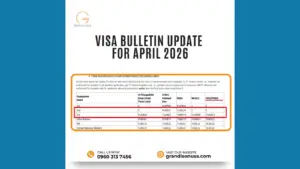
Is EB-3 Delayed by Retrogression?
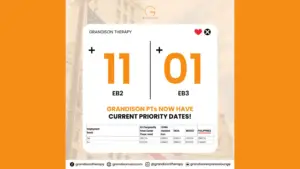
Retrogression comes and goes depending on visa demand, but PTs remain one of the least affected because it’s an occupation that also qualifies for an H1-B Visa, giving PTs another pathway or visa option to work in the United States.
Agencies like Grandison Therapy help candidates navigate retrogression by:
- Securing your priority date early
- Guiding you while you wait (training, free NPTE review and exam programs, TOEFL and others)
- Ensuring your documents are complete by the time your priority date becomes current
- Giving you job security even after years of waiting before you arrive in the USA
2. EB-2 Immigrant Visa for Physical Therapists
Best for: PTs with DPT or Masters Degree or those who want a faster green card when EB-3 is heavily retrogressed
Physical Therapists may also qualify under EB-2, especially if:
- They possess a Master’s degree or higher, OR
- They have a Bachelor’s degree + 5 years of progressive work experience
Like EB-3, Physical Therapists under EB-2 are also designated as Schedule A, which means the labor certification (PERM) is waived.
Key Benefits of the EB-2 Visa for Filipino PTs
- Often Faster Than EB-3 (Depending on Visa Bulletin)
- There are instances in the previous years wherein EB-2 priority dates move more quickly than EB-3.
- Same Green Card Benefits as EB-3
- Your spouse and children can immigrate with you.
- You can live and work permanently in the United States and apply for a citizenship after at least 5 years of residency.
- Ideal for PTs with Higher Degrees
- If you completed a DPT (Doctor of Physical Therapy) or Master’s, this category matches your credentials.
Which is better between an EB-3 and EB-2 Immigrant Visa?
Both are excellent. Grandison Therapy typically advises PTs based on credentials and visa bulletin movement.
3. H-1B Visa for Physical Therapists
Best for: PTs who want to work earlier while waiting for a Green Card
The H-1B is a temporary, non-immigrant work visa for specialty occupations requiring a bachelor’s degree or higher.
Filipino PTs sometimes use the H-1B as a bridge visa while waiting for EB-3 or EB-2 green card approval.
Requirements for H-1B Physical Therapists
- PT degree equivalent to a U.S. doctorate or master’s (after credential evaluation)
- State license or proof of eligibility
- Employer sponsorship
- Must pass the H-1B lottery, unless the employer is cap-exempt
Key Benefits of the H-1B Visa
- Start Working in the U.S. Sooner
- Once approved, you can enter the U.S. and begin employment.
- Can Transition to a Green Card
- Most PTs on H-1B eventually shift to EB-3 or EB-2.
- Spouse Can Work (on H-4 EAD)
- But only once the green card process has begun.
Disadvantages of H-1B
- Lottery-dependent, unless employer is cap-exempt
- Temporary (valid up to 6 years)
- More paperwork than EB-3 or EB-2
Because of these limitations, most PTs prefer direct EB-3 or EB-2 unless the employer has an H-1B cap-exempt status.
Key Advantage of an H1-B Work Visa
If you got picked in the H1-B Lottery, well congratulations! This means that you have the fastest route available for you to be able to work in the USA. Employers like Grandison Therapy, also provides an H1-B Work Visa to Green Card transition option so you can work in the USA temporarily while waiting for you immigrant visa to become current.
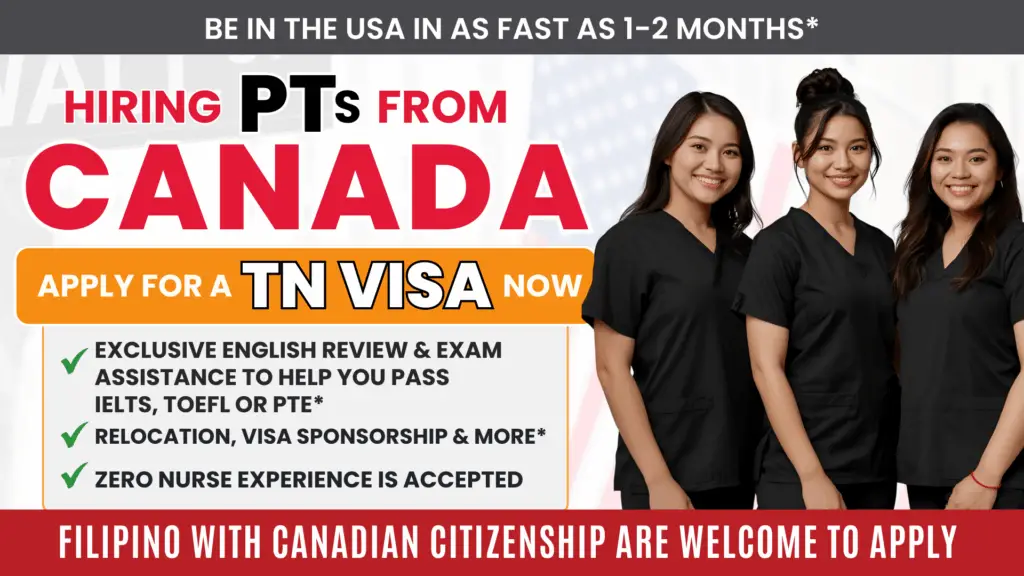
4. TN Visa Option for Filipino PTs with Canadian Citizenship
Best for: Filipino PTs who obtained Canadian citizenship and want the fastest work pathway to the USA
While the majority of Filipino Physical Therapists rely on EB-3, EB-2, or H-1B, there is another powerful option that is often overlooked: the TN Visa.
The TN Visa is available only to citizens of Canada and Mexico under the USMCA Agreement (formerly NAFTA). This means Filipino Physical Therapists who migrated to Canada and later became Canadian citizens are eligible for this extremely fast and flexible U.S. work visa.
If you are a Filipino PT with Canadian citizenship, this could be the quickest and easiest way to start working in the United States.
What Is the TN Visa?
The TN (Trade NAFTA/USMCA) Visa is a temporary work visa that allows qualified Canadian and Mexican professionals to work in the U.S. in certain occupations—including Physical Therapists.
Among all U.S. work visas, the TN Visa is considered one of the fastest, simplest, and lowest-cost options.
TN Visa Requirements for Physical Therapists
To qualify for a TN as a PT, you must:
- Hold Canadian citizenship (not just residency)
- Hold at least a Bachelor’s Degree in Physical Therapy
- Pass the NPTE and obtain a state license OR show proof of eligibility
- Have a U.S. employer job offer
- Meet credential evaluation standards (FCCPT or equivalent)
Benefits of the TN Visa for Filipino PTs with Canadian Citizenship
- Extremely Fast Processing
- Most Canadian PTs receive TN approval within 2–3 weeks through USCIS if applying inside the U.S.
- No Visa Cap, No Lottery
- Unlike H-1B, the TN Visa is not limited by a yearly quota.
There is no competition or lottery system, making approval much more predictable.
- Unlike H-1B, the TN Visa is not limited by a yearly quota.
- Low Application Cost
- The TN is one of the most affordable U.S. work visas, with only basic government filing fees required.
- Renewable Indefinitely
- The TN Visa is valid for up to 3 years at a time and can be renewed without limits, as long as you maintain employment.
- Spouses & Children Can Join You
- Your dependents (TN-TD status) may also accompany you to the U.S.
They cannot work, but they can: study, live with you and transition to another status later
- Your dependents (TN-TD status) may also accompany you to the U.S.
Limitations of the TN Visa
While the TN Visa has huge advantages, you should also be aware of its limitations:
- Not a Direct Path to a Green Card
- The TN is a non-immigrant visa.
You can still obtain a green card, but you must switch to an EB-2,EB-3, or another immigrant pathway.
- The TN is a non-immigrant visa.
- Only for Canadian or Mexican Citizens
- Permanent residents of Canada are not eligible.
You must hold a Canadian passport.
- Permanent residents of Canada are not eligible.
- Employment Tied to Your Employer
- If you change employers, you must reapply for a new TN.
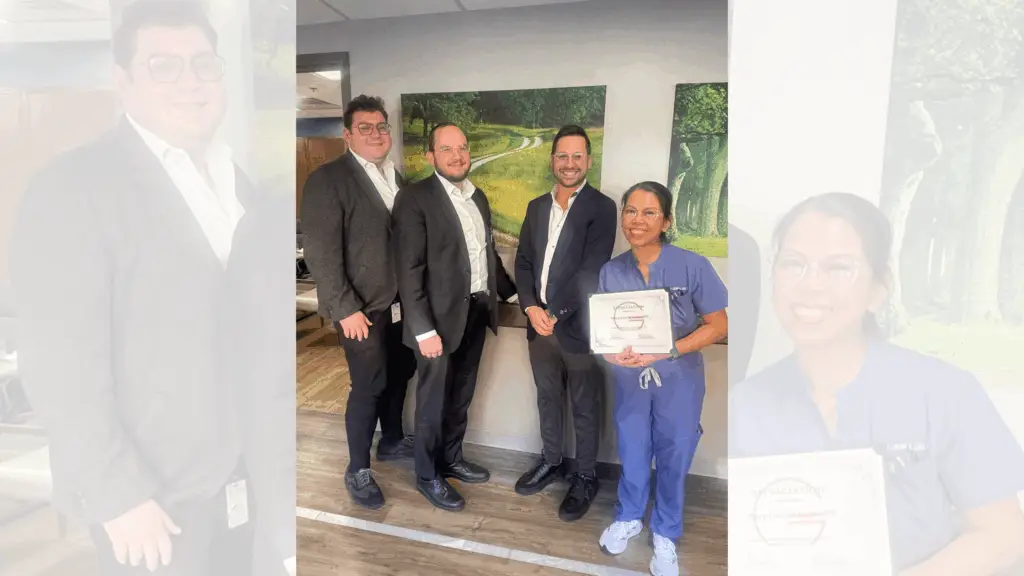
Grandison Therapy: Your Trusted Parter for a Secured Job Placement in the USA
Grandison Therapy specializes in guiding Filipino Physical Therapists through every stage of the U.S. migration process—from credential evaluation to NPTE success to green card approval.
We help PTs overcome the most challenging parts of the process:
- Credentialing Assistance
- Get full support for FCCPT Type 1, academic evaluation, and licensing requirements.
- NPTE Review and Exam Sponsorship
- We offer comprehensive and intensive NPTE review sponsorship, exam guidance and mentorship from U.S.-licensed PTs
- Visa & Immigration Support
- Whether EB-3 or EB-2:
- Document preparation
- I-140 filing
- VisaScreen assistance
- Embassy interview coaching
- Job Placement With Top U.S. Healthcare Facilities
- We match Filipino PTs with U.S. employers offering:
- Fair salary
- Full-time stable positions
- Professional growth & training
- We match Filipino PTs with U.S. employers offering:
- No Placement Fees, No Hidden Charges
- Grandison Therapy follows ethical recruitment standards and ensures transparency throughout your journey.
Final Thoughts: Your American Dream Starts with the Right Visa Path
Understanding your options—EB-3, EB-2, and H-1B—is the first step toward a successful U.S. career as a Physical Therapist. Each path offers unique advantages, but all of them lead to the same destination:
a rewarding PT career in the United States with stable long-term opportunities.
If you’re a Filipino PT ready to take the next step, Grandison Therapy is here to guide you every step of the way—credentialing, NPTE, visa processing, and U.S. job placement.
Start your journey today. Your future in the U.S. begins now.