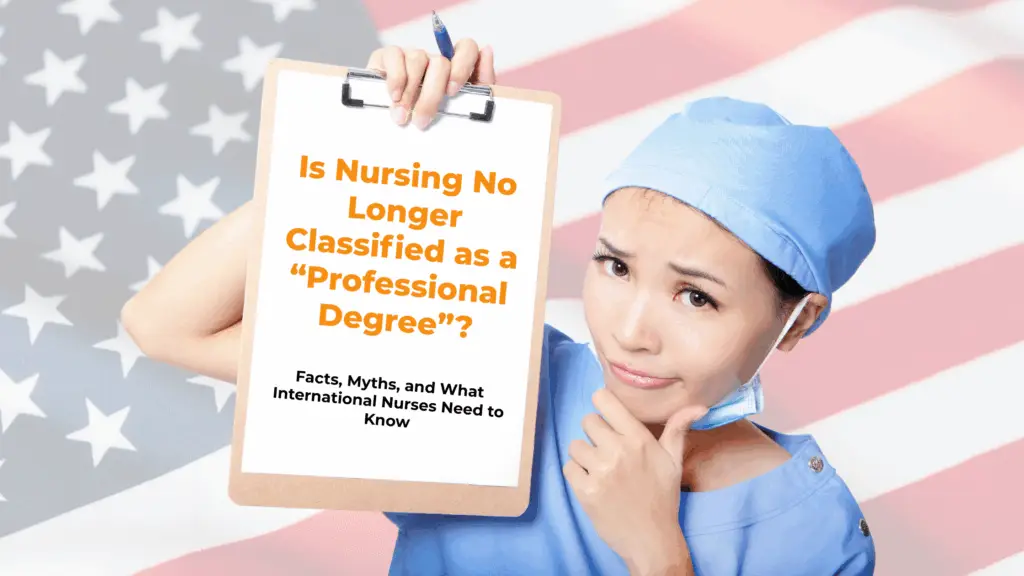
Nursing No Longer Classified as a “Professional Degree”? Facts, Myths, and What International Nurses Need to Know
Confused about why nursing was excluded from the “professional degree” list in the One Big Beautiful America (OBBBA) Bill? Learn the facts, myths, and real impact on nurses. Discover how Grandison Nursing continues to help internationally educated nurses—including Filipino nurses—live and work in the USA through its U.S. nurse sponsorship program.
Introduction
The recent announcement that nursing is no longer classified as a “professional degree” under the One Big Beautiful America Bill has sparked confusion, anger, and misinformation across social media—especially among nurses pursuing USRN jobs or planning to study in the U.S.
For internationally educated nurses dreaming of nursing careers in the USA, the news feels even more alarming. Many wonder:
- Does this mean nursing is no longer a respected profession?
- Will this affect my chances of working as a nurse in the USA?
- Is my U.S. immigration pathway at risk?
The good news: the value of nursing has not changed, and U.S. nursing jobs for foreign nurses remain in high demand.
This article breaks down the facts vs myths, explains the real implications of the reclassification, and shows how Grandison Nursing continues to help nurses live and work in the USA through guaranteed employer sponsorship.
What Actually Happened: Why Nursing Was Removed From the “Professional Degree” List
Under the OBBBA Bill, the U.S. Department of Education (ED) updated which graduate programs qualify as “professional degrees” for the purposes of federal student loan limits.
Nursing was excluded from that list—not because it is less professional—but because ED created a very narrow definition based solely on federal financial aid structure.
According to ED:
This classification is administrative and does not judge the value, rigor, or professionalism of nursing.(Source: U.S. Department of Education)
Important:
This policy does NOT affect immigration, USRN licensing, NCLEX, visas, or employer-sponsored nursing jobs in the USA.
Myths vs. Facts: What Nurses Should Know
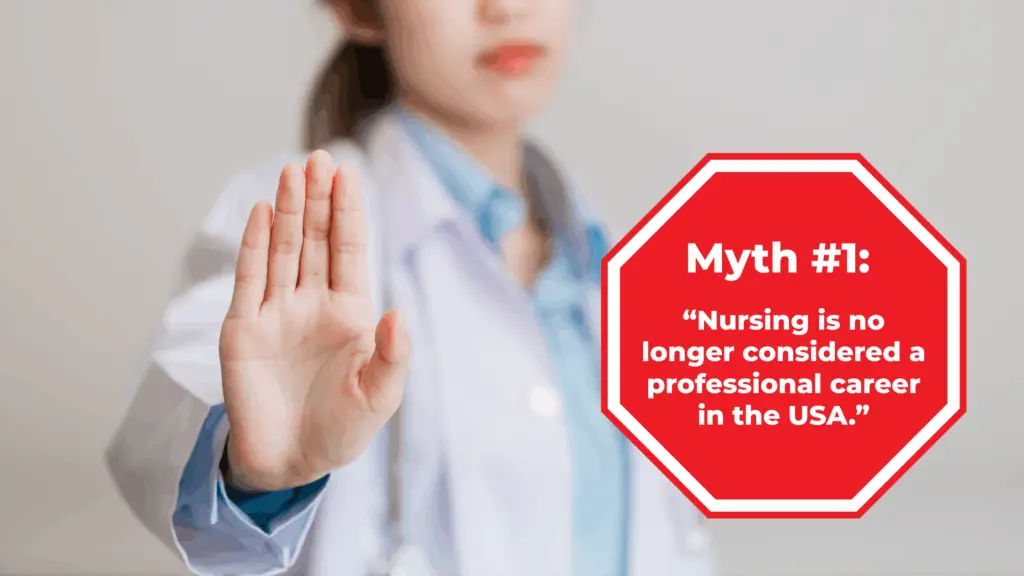
Myth #1: “Nursing is no longer considered a professional career in the USA.”
Fact:
Nursing remains one of the most respected and essential professions in the U.S. healthcare system. The reclassification only affects student loan categories, not the recognition of the profession.
Myth #2: “US schools will stop accepting nursing students or international nurses.”
Fact:
Schools will still accept nursing students. The only change is the maximum federal student loan amount available for certain graduate-level programs.
This has zero effect on internationally educated nurses seeking employment-based sponsorship to work in the USA.
Myth #3: “This will affect visa petitions and nursing sponsorship programs.”
Fact:
USCIS and the Department of Education are completely separate.
Nurses remain part of the Schedule A shortage occupation, meaning:
- U.S. employers urgently need nurses
- International nurses are still eligible for EB-3 sponsorship
Myth #4: “Filipino nurses will find it harder to work in the USA now.”
Fact:
NO.
The U.S. demand for nurses continues to rise due to shortages, burnout, and an aging population. This policy does not affect your ability to become a USRN or work in a U.S. hospital.
Real Implications for Nurses
While the reclassification has no impact on immigration or USRN employment, here’s what it affects:
- Certain MSN or DNP programs may have lower borrowing limits
- Some nurses might need to seek partial private financing
- Nursing educators fear this could worsen the nurse faculty shortage
But again: none of these issues apply to nurses taking the employment sponsorship route to work in the USA.
Why This Matters for International Nurses Seeking a U.S. Nursing Job
Many foreign-trained nurses—especially Filipino nurses—are exploring:
- EB-3 visa sponsorship
- U.S. nurse employment programs
- Direct-hire USRN pathways
This student-loan reclassification does not affect any of those pathways.
In fact, it makes employer-sponsorship models like Grandison even more valuable, because:
- You don’t need U.S. student loans
- You don’t pay for a U.S. nursing degree
- You get a direct nursing job in the USA
- Your employer handles the immigration process
How Grandison Nursing Continues to Help Internationally Educated Nurses Work in the USA
Despite the policy buzz, Grandison’s mission remains simple and unchanged:
Help qualified international nurses start their U.S. nursing career through employer sponsorship.
Here’s how Grandison supports you:
1. Direct Employment Pipeline to Nursing Jobs in the USA
- No need for a U.S. degree.
- No need for U.S. student loans.
- And Filipino nurses— even without experience—can still apply to Grandison. We are a nurse staffing agency offering both staffing and direct employment opportunities for nursing jobs in the USA
Grandison partners with American healthcare employers who urgently need nurses—especially internationally educated and Filipino nurses.
2. Full Support for Licensing, Credentialing, and NCLEX Reimbursement
Grandison provides support with:
- NCLEX exam and review reimbursement
- Credential evaluation
- State licensure
- Document guidance
3. Full Visa Sponsorship (EB-3)
The EB-3 visa category for nurses remains active and unaffected.
Grandison assists you throughout the entire process:
- Petition filing
- Consular processing
- Arrival in the U.S.
- Job placement
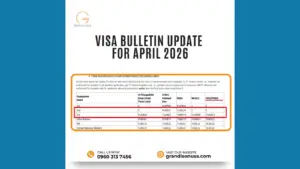
4. Grandison Secured Placement in the USA despite the retrogression
With Grandison’s sponsorship pathway:
- You avoid abandonment
- You get the job security to work in a skilled nursing facility in the United States
- You enter the U.S. workforce faster and with less financial stress
This makes it one of the most practical and financially safe ways for foreign nurses to get a U.S. nursing job today.
Conclusion: The U.S. Still Needs Nurses — and International Nurses Are Still Welcome
The “professional degree” reclassification is NOT a downgrade to the nursing profession.
It is NOT a barrier to USRN employment.
It is NOT a threat to international nurses.
What it is:
A financial-aid adjustment affecting U.S. nursing students in graduate programs.
What it is not:
A change to immigration, licensing, nursing status, or U.S. hospital hiring.
If your dream is to become a nurse in the USA, nothing has changed.
And with Grandison Nursing’s employer-sponsored program:
- You can still live and work in the USA
- You can still become a USRN
- You can still secure a stable, long-term American nursing career
Your U.S. dream remains wide open. Grandison is here to help you get there.